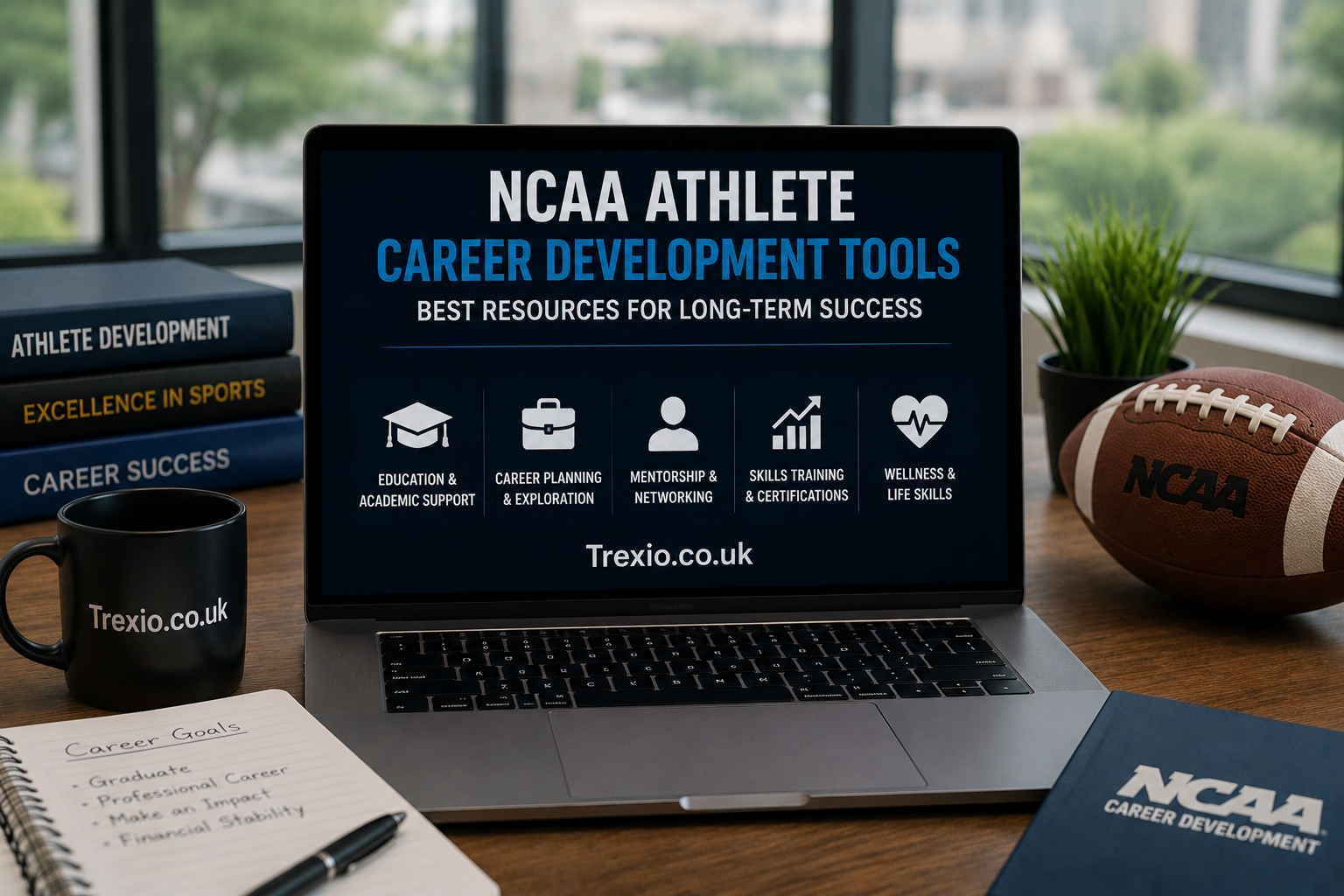
NCAA Athlete Career Development Tools
College athletics can open incredible opportunities, but every student-athlete eventually reaches a point where competition ends and professional life begins. This transition is much easier when athletes prepare early instead of waiting until graduation. Modern NCAA athlete career development tools help student-athletes build valuable workplace skills while continuing to compete at a high level. These resources combine education, career planning, mentorship, leadership development, networking, and personal growth into one comprehensive support system. Universities across the United States increasingly recognize that athletic success alone is not enough to guarantee future career opportunities. Employers also appreciate graduates who demonstrate discipline, teamwork, leadership, and resilience gained through collegiate sports. By using NCAA athlete career development tools, student-athletes can transform athletic experiences into meaningful professional achievements that extend well beyond their playing careers.
Quick Answer
NCAA athlete career development tools are programs, digital platforms, educational resources, mentoring opportunities, internship support, resume-building services, leadership workshops, networking events, financial literacy training, and career planning systems designed to help NCAA student-athletes prepare for successful careers after college athletics. These tools support academic achievement, personal growth, career readiness, and long-term professional success while balancing athletic responsibilities.
Why NCAA Athlete Career Development Tools Matter
Student-athletes invest countless hours in practices, competitions, travel schedules, and academic commitments every week. Without structured planning, it can become difficult to prepare for careers outside athletics. This is where NCAA athlete career development tools become invaluable because they help bridge the gap between sports participation and professional employment. Career planning resources encourage athletes to identify strengths, explore industries, and develop transferable skills before graduation rather than after eligibility ends. Universities understand that only a small percentage of collegiate athletes continue into professional sports, making career preparation essential for the majority of student-athletes. Career advisors also help athletes understand how leadership, discipline, communication, and teamwork gained through athletics translate into workplace success. Employers increasingly recognize these qualities, making student-athletes highly competitive candidates when they present their experiences effectively. Comprehensive NCAA athlete career development tools ensure athletes graduate with confidence, practical knowledge, and professional readiness instead of uncertainty about their future.
Understanding NCAA Athlete Career Development Tools
What Are NCAA Athlete Career Development Tools?
NCAA athlete career development tools include a wide variety of educational programs, digital resources, professional coaching services, mentoring initiatives, and career readiness workshops specifically designed for student-athletes. These resources extend beyond classroom education by helping athletes develop practical workplace skills while balancing demanding athletic schedules. Many universities provide specialized career centers dedicated to athletes, offering resume reviews, mock interviews, internship guidance, networking opportunities, and employer connections. Digital assessment platforms help students identify strengths, career interests, and personality traits that align with different professions. Leadership development programs teach communication, conflict resolution, teamwork, and decision-making skills that employers highly value. Financial education workshops prepare athletes for budgeting, investing, and long-term financial planning after graduation. Together, these NCAA athlete career development tools create a complete support system that prepares athletes for lifelong professional success rather than focusing solely on athletic performance.
Primary Goals of Career Development Programs
The primary objective of NCAA athlete career development tools is preparing student-athletes for meaningful careers beyond competitive sports. Career readiness programs encourage athletes to explore industries early while maintaining academic performance and athletic commitments. Leadership workshops help students strengthen confidence, communication, and problem-solving abilities in professional settings. Mentorship programs connect athletes with experienced professionals who provide valuable career advice and industry insights. Resume development services teach athletes how to communicate transferable athletic experiences using language employers understand. Networking events introduce students to recruiters, alumni, and hiring managers who value leadership developed through sports participation. Internship placement programs offer practical work experience before graduation, helping athletes gain competitive advantages in today’s job market. These combined resources ensure that NCAA athlete career development tools support holistic personal and professional development.
Core Components of NCAA Athlete Career Development Tools
Career Planning and Goal Setting
Effective career preparation begins with clear planning, and NCAA athlete career development tools emphasize long-term goal setting from the beginning of a student’s collegiate experience. Career advisors work individually with athletes to identify interests, strengths, academic pathways, and professional aspirations. Students learn how to establish realistic short-term objectives while maintaining focus on future career ambitions. Career assessments help identify industries that align with both personal interests and transferable athletic skills. Advisors also encourage athletes to create measurable development plans that evolve throughout college. Regular evaluations ensure progress remains aligned with changing career goals and academic achievements. Strategic planning reduces uncertainty while increasing confidence during career transitions. Through structured guidance, NCAA athlete career development tools transform career planning into an ongoing developmental process instead of a last-minute graduation activity.
Resume and LinkedIn Development
One of the most practical NCAA athlete career development tools involves helping student-athletes build professional resumes and online profiles that effectively communicate their achievements. Many athletes initially underestimate the workplace value of balancing academics with demanding athletic schedules. Career professionals teach athletes how to describe leadership experiences, time management abilities, teamwork, perseverance, and problem-solving accomplishments using employer-friendly language. LinkedIn optimization has become increasingly important because recruiters actively search professional networking platforms for qualified candidates. Athletes learn how to create compelling summaries, highlight accomplishments, connect with alumni, and engage with industry professionals. Resume workshops also include personalized feedback that strengthens presentation and professionalism. These NCAA athlete career development tools significantly improve visibility during internship and job searches while increasing confidence throughout recruitment processes.
Leadership Development Through NCAA Athlete Career Development Tools
Building Leadership Beyond Competition
Leadership extends far beyond serving as a team captain, which is why NCAA athlete career development tools place strong emphasis on developing well-rounded leadership capabilities. Student-athletes participate in workshops covering communication, emotional intelligence, ethical decision-making, conflict resolution, collaboration, and organizational leadership. These experiences prepare athletes for management positions across diverse industries after graduation. Leadership development also encourages community involvement through volunteer projects, mentoring younger students, and campus engagement opportunities. Employers consistently rank leadership among the most desirable professional competencies, making these experiences particularly valuable during recruitment. Athletes learn how to motivate diverse teams while adapting to changing workplace environments. These leadership experiences strengthen confidence, professionalism, and workplace readiness. As a result, NCAA athlete career development tools produce graduates who are prepared to lead both inside and outside organizational settings.
Communication and Professional Skills
Strong communication remains essential for long-term career success, making it a major focus of NCAA athlete career development tools. Student-athletes participate in interview preparation sessions, public speaking workshops, networking simulations, and interpersonal communication exercises throughout their collegiate careers. These activities improve confidence when interacting with employers, colleagues, and clients across various professional environments. Athletes also learn active listening, constructive feedback, negotiation techniques, and presentation skills that support workplace effectiveness. Professional etiquette training introduces expectations regarding business communication, email writing, meeting participation, and workplace professionalism. Improved communication contributes to stronger leadership, collaboration, and customer relationships regardless of industry. By consistently practicing these competencies, student-athletes become better prepared for professional success after graduation. Effective communication remains one of the most valuable outcomes delivered through NCAA athlete career development tools.
Career Exploration Opportunities
Internship Programs for Student-Athletes
Internships provide valuable real-world experience, making them an essential component of NCAA athlete career development tools. Career advisors help student-athletes identify internship opportunities that accommodate demanding athletic schedules while supporting academic goals. Many employers actively recruit athletes because they recognize their discipline, adaptability, and teamwork abilities. Internship experiences allow students to explore industries before making permanent career decisions after graduation. Practical workplace exposure also strengthens resumes while expanding professional networks that often lead to future employment opportunities. Career counselors assist athletes with internship applications, interview preparation, and professional expectations to maximize success. Completing internships helps students better understand workplace culture, organizational operations, and career pathways. These practical experiences demonstrate why NCAA athlete career development tools remain critical for career readiness.
Job Shadowing and Career Exploration
Beyond internships, NCAA athlete career development tools frequently include job shadowing opportunities that allow students to observe professionals across multiple industries. Shadowing experiences expose athletes to daily workplace responsibilities while helping them evaluate whether specific careers align with personal interests and strengths. Students gain valuable industry insights without making long-term commitments, reducing uncertainty about future career decisions. Career exploration events often feature alumni panels, employer presentations, industry conferences, and networking sessions specifically designed for collegiate athletes. Exposure to various professions broadens career awareness while helping students identify emerging opportunities across healthcare, business, technology, finance, education, and nonprofit sectors. Career exploration also encourages informed academic decisions that support professional aspirations. Through continuous exposure to workplace environments, NCAA athlete career development tools empower athletes to make confident career choices based on practical experiences rather than assumptions.
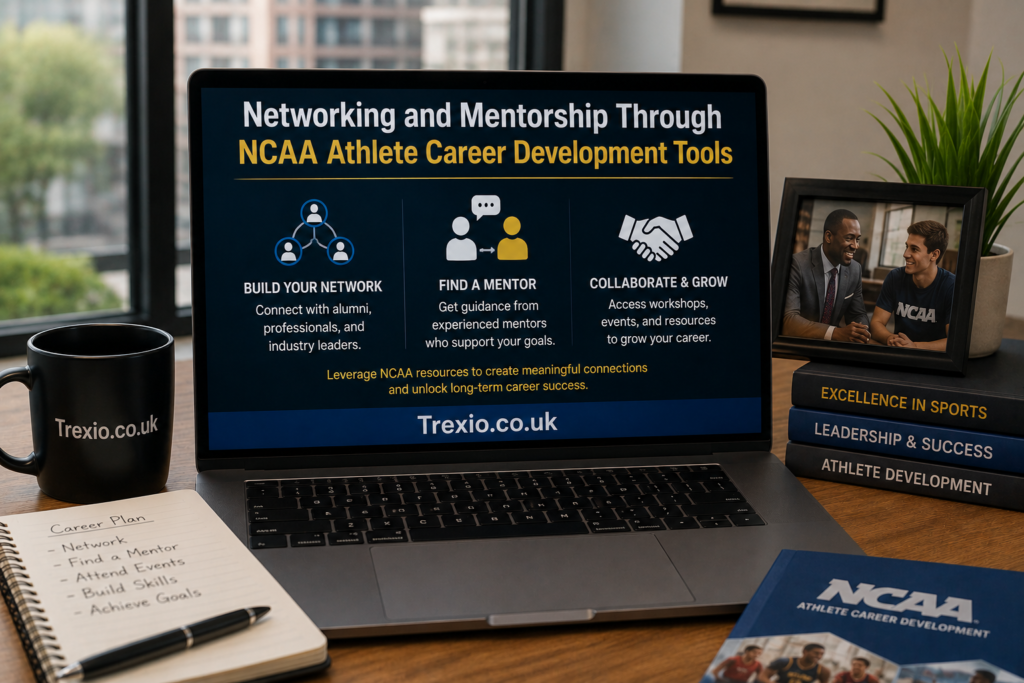
Networking and Mentorship Through NCAA Athlete Career Development Tools
Building Professional Networks Before Graduation
One of the most valuable advantages of NCAA athlete career development tools is the opportunity to build meaningful professional relationships long before graduation. Student-athletes often have access to alumni networks, university career fairs, employer networking events, and athletic department partnerships that connect them with experienced professionals across numerous industries. These relationships frequently lead to internships, mentorships, and even full-time employment opportunities after college. Networking also helps athletes gain a better understanding of industry expectations, hiring trends, and workplace cultures. Career advisors encourage student-athletes to develop authentic professional relationships instead of only reaching out when they need a job. Learning how to communicate professionally, follow up after meetings, and maintain long-term connections becomes an essential career skill. Many successful professionals enjoy mentoring former student-athletes because they appreciate the discipline and resilience developed through collegiate sports. By consistently participating in networking opportunities, NCAA athlete career development tools help student-athletes establish strong professional foundations that continue benefiting them throughout their careers.
The Value of Mentorship Programs
Mentorship is another cornerstone of effective NCAA athlete career development tools, offering personalized guidance during one of the most important transitions in a student’s life. Experienced mentors provide career advice, industry insights, leadership coaching, and encouragement based on their own professional experiences. Student-athletes often face unique challenges balancing academics, athletics, and career planning, making individualized mentorship especially valuable. Mentors can recommend certifications, graduate programs, networking opportunities, and professional organizations that align with an athlete’s goals. Regular conversations also help students build confidence when making important career decisions or navigating unfamiliar industries. Mentorship encourages accountability by motivating athletes to continue developing both personally and professionally throughout college. These relationships often continue well after graduation, creating long-term support systems that contribute to career advancement. As a result, NCAA athlete career development tools provide benefits that extend far beyond campus life.
Financial Literacy and Life Skills Development
Preparing Athletes for Financial Independence
Financial education is an increasingly important component of NCAA athlete career development tools because many student-athletes have limited experience managing personal finances. Universities frequently offer workshops covering budgeting, saving, investing, taxes, credit management, retirement planning, and responsible borrowing. Understanding these topics helps graduates make informed financial decisions as they begin their professional careers. Financial literacy also reduces stress by preparing athletes for salary negotiations, employee benefits, and long-term financial planning. Student-athletes learn how to create budgets that support independent living while avoiding common financial mistakes. Many programs also introduce entrepreneurship and business ownership for athletes interested in launching their own ventures. Financial confidence complements career readiness by helping graduates successfully manage both income and long-term financial goals. These educational experiences make NCAA athlete career development tools far more comprehensive than traditional career services alone.
Personal Development Beyond Athletics
Career readiness involves more than employment preparation, which is why NCAA athlete career development tools also focus heavily on personal growth. Student-athletes participate in workshops that strengthen emotional intelligence, adaptability, resilience, wellness, and stress management. These life skills improve workplace performance while supporting healthier personal relationships and better decision-making. Athletes learn techniques for balancing competing priorities, adapting to career transitions, and maintaining confidence during periods of uncertainty. Programs often include diversity training, community engagement, ethical leadership, and civic responsibility to prepare graduates for modern workplaces. Developing these competencies makes athletes more adaptable professionals capable of succeeding in rapidly changing industries. Employers increasingly value candidates who demonstrate maturity, emotional awareness, and continuous learning. Consequently, NCAA athlete career development tools help create well-rounded graduates prepared for lifelong success.
Technology Supporting NCAA Athlete Career Development Tools
Digital Career Platforms and Career Assessments
Technology has significantly expanded the effectiveness of NCAA athlete career development tools by making career resources accessible anytime and anywhere. Digital career platforms allow student-athletes to schedule appointments, search internships, register for networking events, complete career assessments, and track professional development milestones from one centralized system. Personality and strengths assessments help athletes identify careers that align with their interests, values, and natural abilities. Online learning modules also provide training in leadership, communication, interviewing, and workplace professionalism that students can complete around demanding practice schedules. Artificial intelligence and analytics increasingly personalize career recommendations based on academic performance, interests, and career objectives. These digital resources encourage continuous engagement rather than limiting career development to occasional appointments. Mobile accessibility ensures student-athletes can continue preparing for their futures even during travel seasons. Technology therefore strengthens NCAA athlete career development tools by increasing convenience, personalization, and long-term engagement.
Benefits of NCAA Athlete Career Development Tools
Long-Term Career Advantages
Student-athletes who consistently utilize NCAA athlete career development tools often experience significant long-term professional advantages after graduation. They typically enter the workforce with stronger resumes, better interview skills, broader professional networks, and greater confidence than peers who delay career preparation. Employers recognize transferable skills such as leadership, teamwork, discipline, resilience, adaptability, and time management that athletes develop through collegiate competition. Career readiness programs also reduce uncertainty by helping graduates explore multiple career paths before entering the job market. Strong professional relationships established during college frequently result in referrals, mentorships, and employment opportunities years later. Continuous career planning encourages lifelong learning and professional development beyond graduation. These combined advantages contribute to stronger career satisfaction and greater long-term success. Ultimately, NCAA athlete career development tools support sustainable careers rather than simply helping students find their first job.
Comparison of Major NCAA Athlete Career Development Tools
| Career Development Tool | Primary Purpose | Key Benefits | Best For |
|---|---|---|---|
| Career Counseling | Career planning | Personalized guidance | All student-athletes |
| Resume Workshops | Resume development | Stronger job applications | Seniors and graduates |
| LinkedIn Training | Professional branding | Increased recruiter visibility | Internship seekers |
| Mentorship Programs | Professional guidance | Industry insights and networking | Career exploration |
| Internship Support | Workplace experience | Practical skills and resume growth | Juniors and seniors |
| Leadership Programs | Soft skills development | Management and communication skills | Team leaders |
| Financial Literacy | Money management | Long-term financial confidence | All athletes |
| Mock Interviews | Interview preparation | Improved confidence and performance | Job seekers |
| Career Assessments | Strength identification | Better career matching | Freshmen and sophomores |
| Alumni Networking | Professional connections | Employment opportunities | Students nearing graduation |
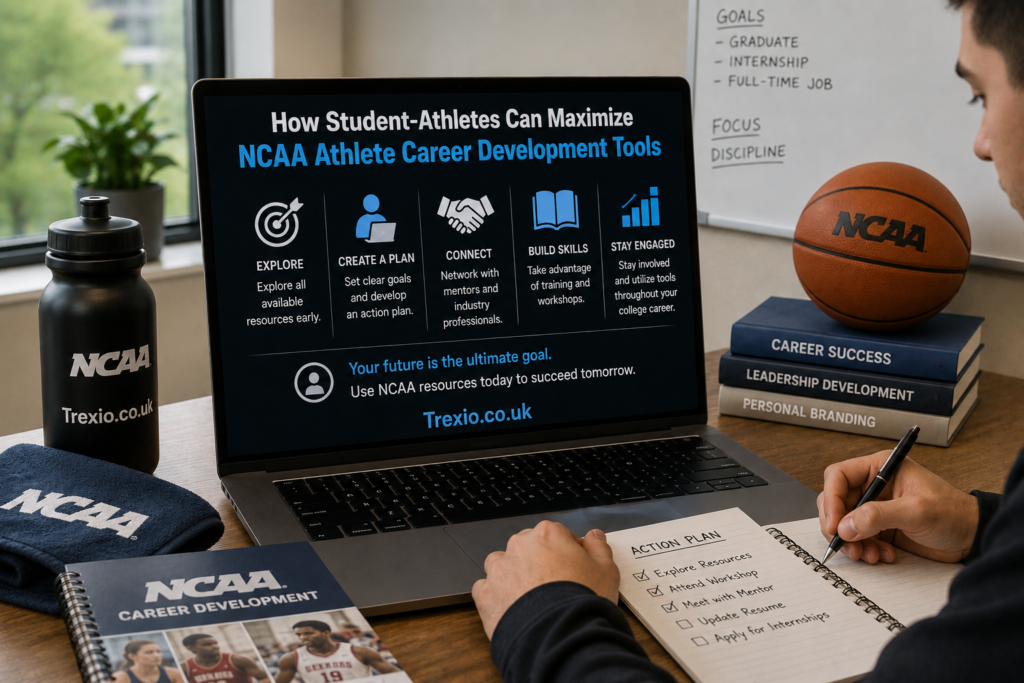
How Student-Athletes Can Maximize NCAA Athlete Career Development Tools
Create a Long-Term Career Plan
Rather than waiting until senior year, student-athletes should begin using NCAA athlete career development tools as early as possible. Developing a structured career roadmap allows students to identify academic goals, internship opportunities, networking activities, and leadership experiences throughout their college years. Early preparation also provides flexibility to adjust career plans as interests evolve. Regular meetings with career advisors help students remain accountable and continue progressing toward professional objectives. Taking advantage of every available resource strengthens both confidence and competitiveness in the job market. Career planning should remain an ongoing process rather than a single event before graduation. Students who actively engage throughout college often experience smoother career transitions. Consistent use of NCAA athlete career development tools creates lasting professional value.
Best Practices
- Begin using NCAA athlete career development tools during your first year of college.
- Meet regularly with career advisors to review goals and progress.
- Complete internships before graduation whenever possible.
- Build and maintain a professional LinkedIn profile.
- Attend career fairs and employer networking events consistently.
- Seek mentorship from alumni and industry professionals.
- Participate in leadership development workshops every year.
- Practice interviewing skills through mock interviews.
- Continue updating your resume after every major achievement.
- Develop both technical and interpersonal workplace skills.
Common Mistakes
| Mistake | Why It Hurts Career Growth | Better Approach |
|---|---|---|
| Waiting until senior year | Missed internship opportunities | Start career planning early |
| Ignoring networking events | Smaller professional network | Attend events regularly |
| Poor resume formatting | Lower interview chances | Use career center reviews |
| Skipping LinkedIn | Reduced recruiter visibility | Build an optimized profile |
| Avoiding internships | Limited practical experience | Complete at least one internship |
| Not seeking mentorship | Missed professional guidance | Connect with alumni mentors |
| Focusing only on athletics | Narrow career preparation | Balance academics and career development |
| Missing workshops | Fewer transferable skills | Participate consistently |
Pro Tips
- Schedule one career development activity every month.
- Keep a portfolio of achievements, certifications, awards, and leadership experiences.
- Request informational interviews with professionals in industries that interest you.
- Join professional associations related to your intended career.
- Develop strong communication skills through presentations and public speaking.
- Learn basic financial planning before graduation.
- Stay connected with teammates and alumni after college.
- Continue learning through certifications and online professional courses.
- Ask for feedback after every interview to improve future performance.
- Treat career preparation with the same commitment you bring to athletic training.
Conclusion
NCAA athlete career development tools play a critical role in helping student-athletes prepare for meaningful careers beyond collegiate competition. These comprehensive resources combine career planning, leadership development, mentorship, networking, financial education, internships, and technology into a structured support system that promotes lifelong success. While athletic achievements create valuable experiences, translating those experiences into professional opportunities requires intentional preparation and continuous development. Universities that invest in career readiness empower athletes to graduate with confidence, practical workplace skills, and strong professional networks. Student-athletes who actively engage with these resources often enter the workforce better prepared to adapt, lead, collaborate, and succeed across a variety of industries. Career development should begin early and remain an ongoing priority throughout college. By consistently using NCAA athlete career development tools, student-athletes can transform their dedication, resilience, and teamwork into lasting professional achievements. The habits built through these programs continue providing value long after the final game has been played.
Frequently Asked Questions (FAQs)
1. What are NCAA athlete career development tools?
They are programs and resources that help student-athletes prepare for careers through career planning, leadership training, networking, internships, and professional development.
2. Why are NCAA athlete career development tools important?
They prepare athletes for life after sports by developing workplace skills, professional networks, and career readiness.
3. When should student-athletes begin using NCAA athlete career development tools?
Ideally during their first year of college to maximize internship, networking, and leadership opportunities.
4. Do NCAA athlete career development tools include internship assistance?
Yes. Many universities help student-athletes locate internships, prepare applications, and succeed in professional environments.
5. Can NCAA athlete career development tools improve employment opportunities?
Yes. They strengthen resumes, interview performance, networking abilities, and professional confidence.
6. Are leadership programs part of NCAA athlete career development tools?
Absolutely. Leadership development is one of the core components, helping athletes build communication and management skills.
7. How do NCAA athlete career development tools support networking?
They connect athletes with alumni, employers, mentors, recruiters, and industry professionals through organized events and career programs.
8. Do these programs help with financial literacy?
Yes. Many institutions provide education on budgeting, investing, taxes, retirement planning, and financial responsibility.
9. Are NCAA athlete career development tools only for graduating seniors?
No. They are designed to benefit student-athletes throughout their entire college experience.
10. How can athletes get the most value from NCAA athlete career development tools?
By participating consistently in career advising, internships, leadership programs, networking events, mentorship opportunities, and professional skill-building workshops.
Author Bio
About the Author
The author is an experienced SEO content writer specializing in higher education, career development, student success, and workforce readiness. With extensive experience creating EEAT-focused educational content, the author produces well-researched, practical articles that help readers make informed decisions while following Google’s Helpful Content and modern SEO best practices.