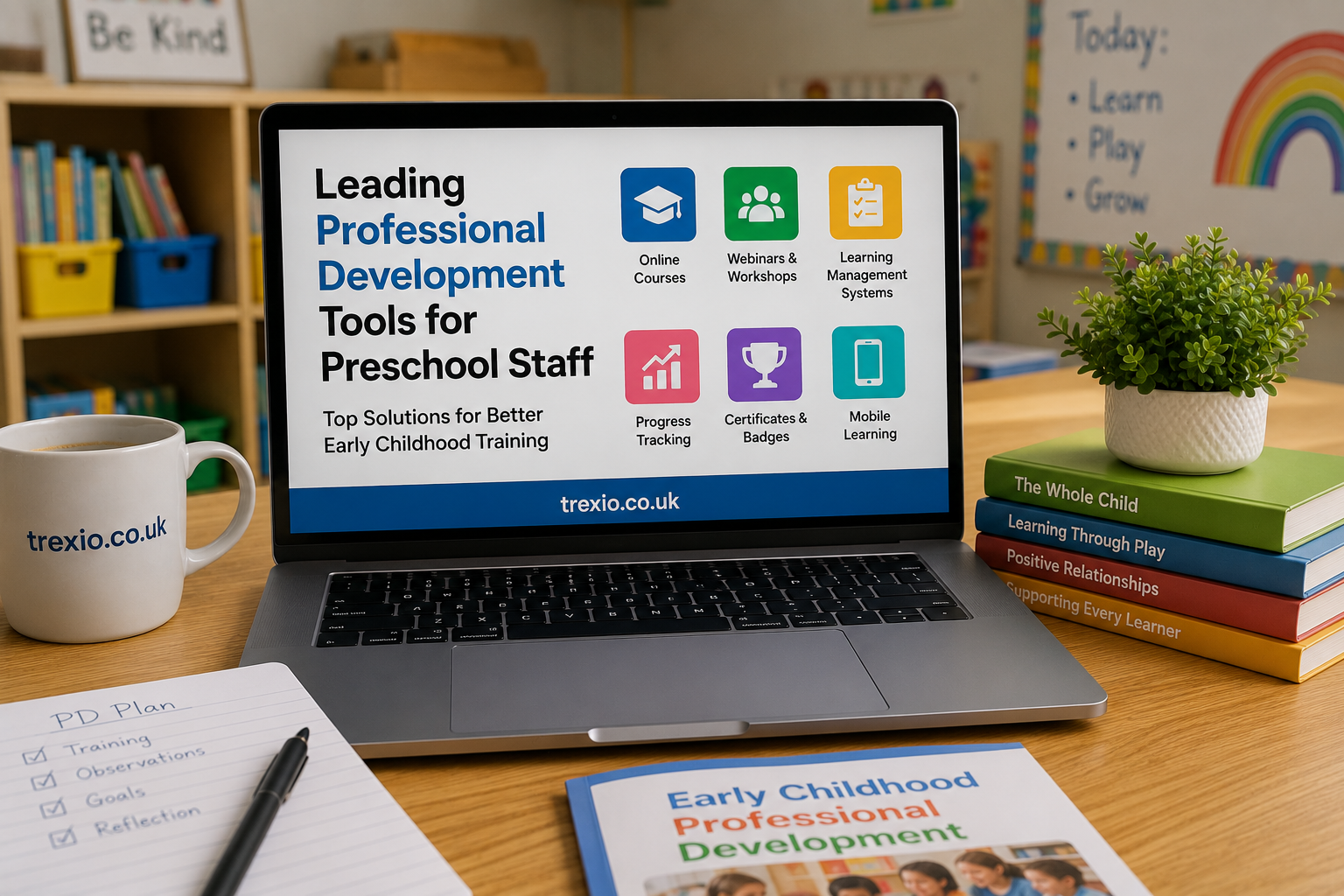
Professional growth has become one of the most important investments for early childhood education centers. Today’s preschool teachers face changing curriculum standards, increasing parent expectations, evolving child development research, and new classroom technologies. Because of these changes, schools need reliable ways to help educators strengthen their knowledge and teaching practices. Choosing the leading professional development tools for preschool staff can improve instructional quality, classroom management, communication, and student outcomes. Modern training platforms make learning flexible, interactive, and measurable while supporting teachers throughout their careers. Instead of relying only on occasional workshops, preschool administrators are adopting continuous learning systems that encourage long-term development. These solutions also help schools maintain compliance with licensing requirements while building confident teaching teams. This guide explores the best professional development resources and explains why investing in educator growth creates stronger preschool programs.
Quick Answer
The leading professional development tools for preschool staff include online learning platforms, Learning Management Systems (LMS), coaching software, webinar platforms, certification programs, collaborative learning communities, classroom observation tools, and competency tracking systems. These tools help preschool educators improve instructional strategies, stay updated with early childhood education standards, meet licensing requirements, and provide higher-quality learning experiences for young children.
Introduction
Professional learning is no longer limited to attending an annual conference or participating in a one-day workshop. Modern preschool programs recognize that continuous improvement produces better teachers, stronger classrooms, and happier families. The leading professional development tools for preschool staff provide structured learning experiences that fit busy schedules while encouraging ongoing growth throughout the school year. Teachers can access training materials whenever they need them, collaborate with peers, receive coaching, and monitor their own progress using digital platforms designed specifically for education. Administrators also benefit by tracking certifications, measuring performance improvements, and identifying future training needs. As technology continues transforming education, preschool organizations that invest in high-quality development tools are better prepared to adapt to changing educational standards. These resources ultimately strengthen both teacher confidence and children’s learning experiences. Understanding the different categories of professional development tools is the first step toward building an effective educator training strategy.
Why Professional Development Matters in Early Childhood Education
Professional development influences every aspect of preschool education, from classroom organization to children’s emotional well-being. Teachers who regularly participate in structured learning opportunities gain fresh instructional techniques, updated child development knowledge, and practical classroom management strategies. The leading professional development tools for preschool staff help educators stay informed about research-based teaching practices while improving confidence in daily instruction. Continuous training also supports inclusion, language development, family engagement, and social-emotional learning. Preschool classrooms change rapidly because every group of children has unique developmental needs, making lifelong learning essential for educators. Schools that encourage ongoing professional growth often experience lower staff turnover, higher employee satisfaction, and stronger educational outcomes. Parents also appreciate programs where teachers consistently improve their skills and apply current best practices. Investing in educator development creates lasting benefits for teachers, administrators, families, and children alike.
Professional learning also contributes to organizational success by creating consistent teaching standards across every classroom. New employees adapt more quickly when structured learning systems provide clear expectations and accessible resources. Experienced educators benefit from advanced leadership training, mentoring opportunities, and specialized certifications that support career growth. Digital training platforms simplify progress tracking while reducing administrative workload associated with paper documentation. These systems encourage collaboration between teachers, allowing them to exchange ideas and solve classroom challenges together. Administrators can evaluate training effectiveness through measurable learning outcomes and classroom observations. Over time, consistent professional learning strengthens the overall quality of preschool education. This explains why many successful early learning centers prioritize the leading professional development tools for preschool staff within their annual budgets.
Key Features to Look for in Professional Development Tools
Selecting the right professional learning platform requires careful evaluation of features that directly support preschool educators. The leading professional development tools for preschool staff should provide flexible online learning, mobile accessibility, certification tracking, personalized learning paths, interactive assessments, and downloadable teaching resources. Teachers often have limited time outside classroom responsibilities, making self-paced learning especially valuable. Video lessons, quizzes, practical assignments, and real-world classroom examples increase engagement while improving knowledge retention. Integration with school management systems can further simplify reporting and administrative oversight. Platforms should also offer updated content aligned with current early childhood education standards and licensing regulations. User-friendly interfaces reduce technical barriers and encourage consistent participation. Schools that choose feature-rich platforms maximize both educator engagement and long-term training success.
Beyond technical functionality, quality content remains the most valuable component of any professional development platform. Training should cover child psychology, classroom behavior management, literacy instruction, STEM activities, inclusive education, trauma-informed teaching, health and safety, and communication with families. Interactive discussion forums encourage educators to learn from colleagues while sharing successful classroom practices. Progress dashboards allow teachers to monitor achievements and identify future learning opportunities. Administrators benefit from detailed analytics showing completion rates, assessment performance, and certification status. Secure cloud storage keeps training records organized for accreditation and compliance purposes. Continuous content updates ensure teachers remain informed about emerging educational research. Together, these features define the leading professional development tools for preschool staff available today.
Categories of Professional Development Tools for Preschool Staff
Learning Management Systems (LMS)
Learning Management Systems serve as the foundation of many modern training programs. These platforms organize courses, assessments, certifications, progress reports, and learning resources in one centralized environment. The leading professional development tools for preschool staff often include LMS solutions because they simplify training administration while giving teachers flexible access to educational content. Staff members can complete lessons at their own pace, revisit previous modules, and download supporting materials whenever needed. Administrators can assign mandatory compliance courses while also recommending optional skill development opportunities. Automated reminders improve course completion rates, reducing the need for manual follow-up. Built-in reporting tools help school leaders monitor workforce development effectively. An LMS creates an organized, scalable approach to professional learning across preschool organizations.
Benefits of Using an LMS
An effective LMS reduces paperwork, improves accountability, and creates consistent training experiences for all employees. Teachers receive personalized learning recommendations based on their roles, experience levels, and certification requirements. Schools can introduce standardized onboarding programs that help new educators integrate quickly into classroom routines. Interactive learning modules increase engagement compared to traditional lecture-based workshops. Mobile compatibility allows teachers to continue learning outside school hours without sacrificing flexibility. Digital certificates simplify licensing documentation and compliance audits. Regular content updates ensure educators remain aligned with current educational standards. These advantages explain why Learning Management Systems remain among the leading professional development tools for preschool staff.
Online Training Platforms
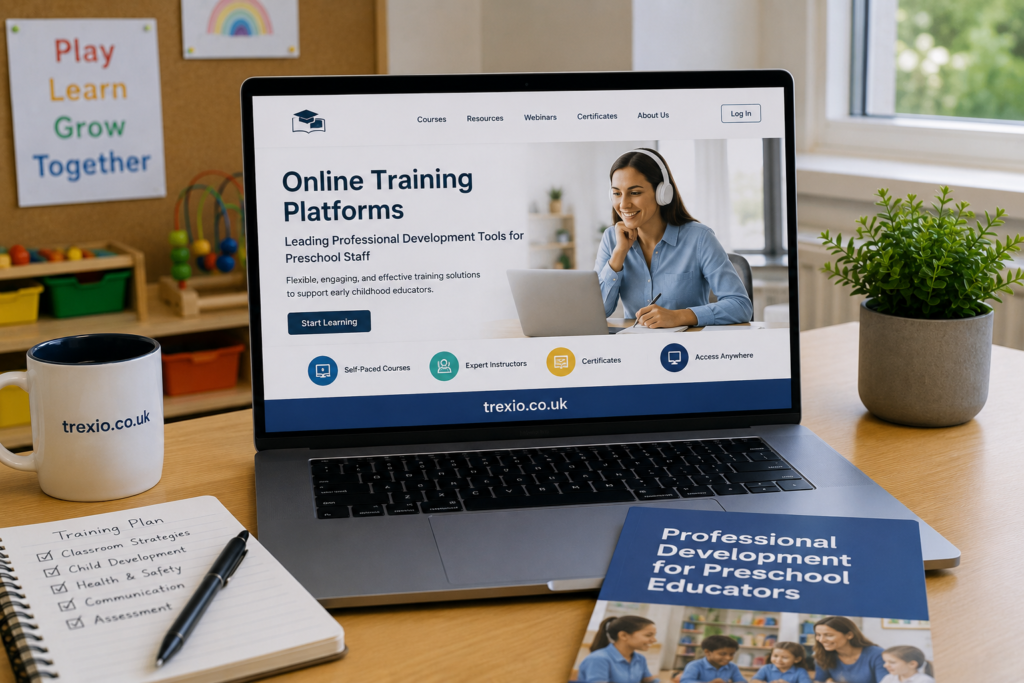
Online professional learning platforms have transformed educator development by making high-quality training available regardless of location. Teachers no longer need to travel long distances or miss classroom time to attend workshops. Instead, they can access expert-led courses covering curriculum planning, classroom management, inclusive teaching strategies, and child development principles. The leading professional development tools for preschool staff increasingly rely on cloud-based learning because it supports flexible scheduling while reducing training costs. Many platforms include downloadable resources, video demonstrations, printable lesson plans, and reflective exercises that encourage practical implementation. Teachers can revisit difficult topics whenever necessary, improving long-term retention. Interactive activities create engaging learning experiences that feel more relevant than passive lectures. As a result, online platforms continue gaining popularity across early childhood education programs.
Advantages of Digital Learning
Digital learning allows preschool educators to personalize their professional growth according to individual interests and career goals. New teachers can focus on classroom foundations while experienced educators pursue leadership development or specialized certifications. Schools also save money by eliminating travel expenses, venue costs, and printed training materials. Cloud-based updates ensure content reflects the latest educational research and licensing requirements. Built-in assessments measure understanding before educators apply new strategies in the classroom. Discussion communities encourage collaboration among teachers working in different schools and regions. Flexible scheduling improves participation because educators can learn during convenient times. These strengths make digital learning one of the leading professional development tools for preschool staff today.
Coaching and Mentoring Platforms
Professional coaching has become an essential component of continuous educator development. While online courses provide valuable knowledge, personalized coaching helps teachers apply new skills in real classroom situations. The leading professional development tools for preschool staff increasingly combine digital learning with one-on-one mentoring to encourage sustained improvement. Experienced instructional coaches observe teaching practices, provide constructive feedback, recommend practical adjustments, and monitor ongoing progress. Video-based coaching allows educators to review classroom interactions and reflect on their instructional decisions objectively. This personalized support accelerates professional growth while building teacher confidence. Coaching relationships also create stronger collaboration within preschool organizations. As schools prioritize continuous improvement, coaching platforms continue becoming an important investment.
How Coaching Improves Classroom Performance
Effective coaching focuses on practical classroom challenges instead of theoretical concepts alone. Teachers receive immediate guidance on improving lesson delivery, classroom transitions, student engagement, and behavior management techniques. Personalized feedback helps educators recognize strengths while identifying areas requiring additional attention. Regular coaching sessions encourage reflective teaching practices that support continuous improvement. Administrators also benefit by developing future instructional leaders from within their existing staff. Mentoring strengthens communication among colleagues while promoting knowledge sharing across classrooms. Long-term coaching programs often produce measurable improvements in teacher effectiveness and student learning outcomes. These results reinforce why coaching remains among the leading professional development tools for preschool staff.
Certification and Compliance Tracking Tools
Professional learning is only valuable when schools can accurately document educator progress and maintain compliance with local licensing requirements. Certification and compliance tracking tools help preschool administrators organize training records, monitor renewal deadlines, and generate reports for inspections or accreditation reviews. The leading professional development tools for preschool staff often include built-in certification management because manual tracking becomes difficult as teams grow. Digital dashboards notify teachers before certifications expire, reducing the risk of missed deadlines. Administrators can instantly verify completed courses, required training hours, and continuing education credits without sorting through paper files. These platforms also improve transparency by allowing educators to view their own learning history and future requirements. Secure cloud storage protects sensitive training records while making them accessible whenever needed. By automating compliance management, schools spend less time on administration and more time supporting educator development.
Benefits of Automated Certification Management
Automated certification systems simplify professional growth while reducing administrative errors. Instead of maintaining multiple spreadsheets, schools centralize all learning records in one secure location. The leading professional development tools for preschool staff use automation to send reminders, update certification status, and generate compliance reports in just a few clicks. Teachers appreciate having a clear overview of completed courses and upcoming learning requirements. Administrators benefit from improved audit readiness because documentation is organized and easy to retrieve. Digital reporting also helps identify training gaps across departments, making future professional development planning more effective. Schools that automate certification management create a more efficient learning environment while maintaining regulatory compliance. This technology supports both operational efficiency and long-term educational quality.
Collaborative Learning Communities
Professional growth becomes more meaningful when educators learn from one another. Collaborative learning communities encourage preschool teachers to exchange classroom strategies, discuss challenges, and celebrate successful teaching practices. The leading professional development tools for preschool staff frequently include discussion forums, virtual communities, peer groups, and collaborative workspaces that foster ongoing communication. Teachers gain practical insights from colleagues who have faced similar classroom situations, making learning highly relevant and immediately applicable. Collaboration also promotes innovation because educators are exposed to diverse teaching methods and creative activity ideas. Regular discussions strengthen teamwork while reducing feelings of professional isolation, especially for educators working in smaller centers. These communities help build a culture of continuous improvement where learning extends beyond formal training sessions. As collaboration increases, the overall quality of preschool education often improves.
Peer Learning and Knowledge Sharing
Peer learning encourages educators to become both learners and mentors throughout their careers. Experienced teachers can share practical advice with newer staff members, while newer educators often introduce fresh instructional ideas and technology skills. The leading professional development tools for preschool staff support this exchange by providing secure online spaces for collaboration, resource sharing, and professional discussion. Teachers can upload lesson plans, recommend children’s books, discuss classroom behavior strategies, and exchange family engagement ideas. Collaborative learning also improves confidence because educators realize they are not facing classroom challenges alone. Schools that promote peer learning often develop stronger workplace cultures with higher employee satisfaction and retention. Continuous collaboration transforms professional development from a one-time event into an everyday practice. This shared learning environment benefits teachers, administrators, families, and children alike.
How to Choose the Right Professional Development Tool
Choosing the right training solution requires careful evaluation of both organizational goals and educator needs. Preschool leaders should first identify current skill gaps before comparing available platforms. The leading professional development tools for preschool staff differ in pricing, learning formats, reporting capabilities, coaching features, and content quality, making direct comparisons essential. Schools should prioritize user-friendly platforms that offer flexible learning schedules and regularly updated educational content. Integration with existing administrative systems can further reduce workload while improving efficiency. Budget considerations are important, but long-term value should take priority over the lowest purchase price. Reading customer reviews, requesting demonstrations, and testing free trials provide valuable insights before making a final decision. Selecting the right platform creates a stronger foundation for continuous educator growth.
Evaluation Checklist
Before investing in any platform, administrators should evaluate several important criteria.
| Evaluation Factor | Why It Matters |
|---|---|
| Content Quality | Ensures accurate, research-based learning materials |
| Ease of Use | Encourages teacher participation and reduces training time |
| Mobile Accessibility | Supports flexible learning anywhere |
| Certification Tracking | Simplifies compliance management |
| Reporting Features | Measures staff progress effectively |
| Customer Support | Resolves technical issues quickly |
| Content Updates | Keeps training aligned with current standards |
| Scalability | Supports future organizational growth |
Comparison of Popular Professional Development Tool Categories
Different schools have different professional learning priorities. Understanding the strengths of each category helps administrators select the best combination of tools.
| Tool Category | Primary Purpose | Best For | Major Benefit |
|---|---|---|---|
| Learning Management System | Course delivery | Large preschool organizations | Centralized learning |
| Online Training Platform | Flexible education | Busy educators | Self-paced learning |
| Coaching Platform | Individual improvement | Teacher mentoring | Personalized feedback |
| Certification Tracker | Compliance management | School administrators | Automated record keeping |
| Collaborative Community | Peer learning | Teaching teams | Knowledge sharing |
| Webinar Platform | Live instruction | Ongoing workshops | Real-time interaction |
Best Practices for Using Professional Development Tools
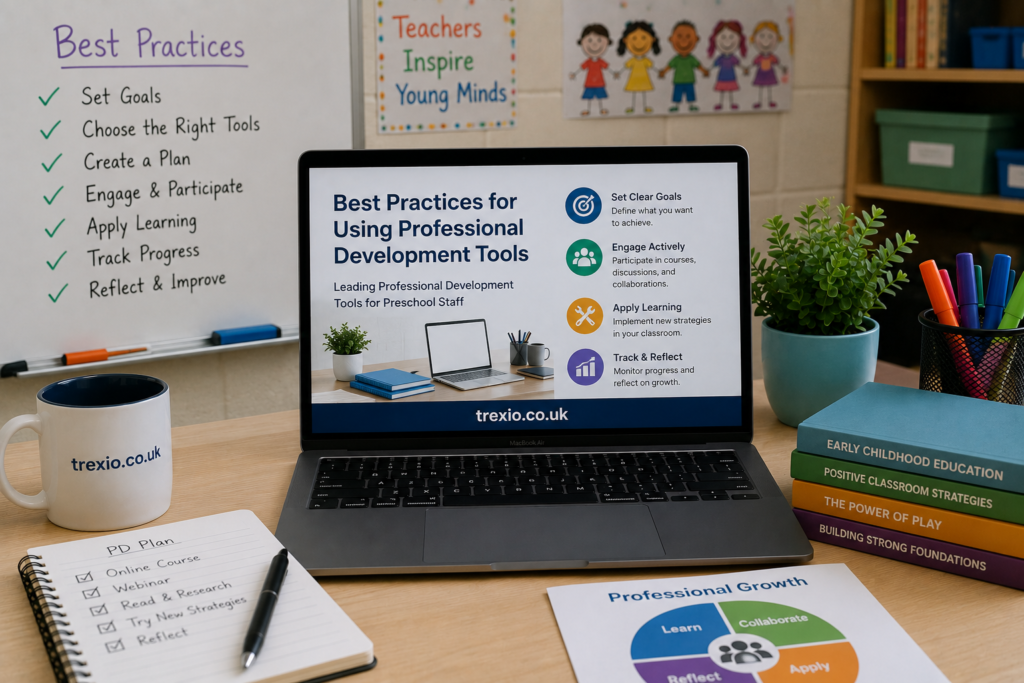
Successful implementation depends on more than simply purchasing software. Schools should establish clear learning goals before assigning courses so educators understand how training supports classroom improvement. The leading professional development tools for preschool staff deliver the greatest value when learning becomes a continuous process instead of an annual requirement. Administrators should encourage teachers to immediately apply newly learned strategies in their classrooms and reflect on the results during coaching sessions. Regular progress reviews help identify educators who may need additional support or advanced learning opportunities. Blending online learning with collaborative discussions and classroom observations creates a more balanced professional development experience. Schools should also update training plans annually to reflect changes in curriculum standards and educational research. Recognizing teacher achievements through certificates, awards, or career advancement opportunities increases motivation and participation. Consistent planning ensures professional learning remains relevant, engaging, and impactful.
Common Mistakes to Avoid
Many preschool organizations invest in training platforms but fail to maximize their benefits due to poor implementation strategies. One common mistake is treating professional development as a one-time event instead of an ongoing learning journey. Another issue involves assigning excessive training without providing teachers enough time to complete courses thoughtfully. Some schools also choose platforms based solely on cost while overlooking content quality, usability, and support services. The leading professional development tools for preschool staff produce meaningful results only when administrators actively monitor participation and encourage practical classroom application. Ignoring educator feedback can reduce engagement because training may not address real classroom challenges. Failing to update learning materials regularly also limits long-term effectiveness. Avoiding these mistakes helps schools create sustainable professional learning programs that truly improve teaching quality.
Pro Tips for Maximizing Staff Development
Professional development becomes significantly more effective when schools create personalized learning pathways rather than assigning identical training to every educator. Encourage teachers to establish annual professional growth goals that align with both individual career aspirations and organizational objectives. Combine self-paced online courses with mentoring sessions, classroom observations, and collaborative discussions to reinforce learning from multiple perspectives. The leading professional development tools for preschool staff become even more valuable when administrators analyze learning data to identify trends and future training priorities. Celebrate course completions and newly earned certifications to reinforce a positive learning culture. Schedule dedicated professional learning time within the workweek whenever possible to improve participation rates. Continuously gather teacher feedback and adjust learning plans based on real classroom needs rather than assumptions. These practical strategies help transform professional development into a long-term investment that benefits the entire preschool community.
Conclusion
Investing in the leading professional development tools for preschool staff is one of the most effective ways to strengthen early childhood education. High-quality training platforms empower teachers with current knowledge, practical classroom strategies, and opportunities for continuous career growth. From learning management systems and coaching platforms to certification tracking and collaborative communities, today’s professional development solutions provide flexible learning experiences that fit the demands of modern preschool environments. Schools that prioritize educator development often experience improved teaching quality, stronger classroom management, higher staff satisfaction, and better learning outcomes for children. Selecting the right combination of tools requires careful planning, but the long-term benefits far outweigh the initial investment. Continuous learning helps educators remain confident, adaptable, and prepared for changing educational standards. By building a culture of ongoing improvement, preschool organizations create lasting value for teachers, families, and the children they serve.
Frequently Asked Questions
1. What are professional development tools for preschool staff?
They are digital platforms, training programs, coaching systems, and learning resources designed to help preschool educators improve their teaching skills, meet certification requirements, and stay updated with early childhood education best practices.
2. Why are professional development tools important?
They improve instructional quality, increase teacher confidence, support compliance with licensing standards, and contribute to better educational outcomes for young children.
3. What features should a preschool training platform include?
Important features include online courses, certification tracking, reporting dashboards, mobile access, interactive learning modules, coaching support, and regularly updated educational content.
4. Are online professional development programs effective?
Yes. When combined with coaching, collaboration, and classroom application, online learning provides flexible, accessible, and highly effective professional development opportunities.
5. How often should preschool staff complete professional development?
Most educators should participate in continuous learning throughout the year while meeting state licensing or organizational continuing education requirements.
6. Can small preschool centers benefit from professional development tools?
Absolutely. Even small schools can improve teaching quality, streamline compliance, and reduce administrative work by adopting scalable digital learning solutions.
7. How do coaching platforms improve teacher performance?
Coaching platforms provide personalized feedback, classroom observations, goal setting, and ongoing mentoring that help educators strengthen their instructional practices.
8. What is the role of Learning Management Systems in preschool education?
Learning Management Systems organize training materials, track progress, manage certifications, and provide administrators with detailed reporting on staff development.
9. How do collaborative learning communities help educators?
They encourage teachers to exchange ideas, solve classroom challenges together, share teaching resources, and learn from each other’s experiences.
10. How can administrators measure professional development success?
Success can be measured through course completion rates, classroom observations, certification achievements, educator feedback, student outcomes, and improvements in instructional quality.
Author Bio
About the Author
The author specializes in educational technology, early childhood learning, and SEO-driven content development. With extensive experience researching teacher training, digital learning platforms, and preschool education, the author creates evidence-based content aligned with Google’s EEAT principles. The goal is to help educators, school administrators, and decision-makers make informed choices that improve teaching quality and support lifelong professional growth.