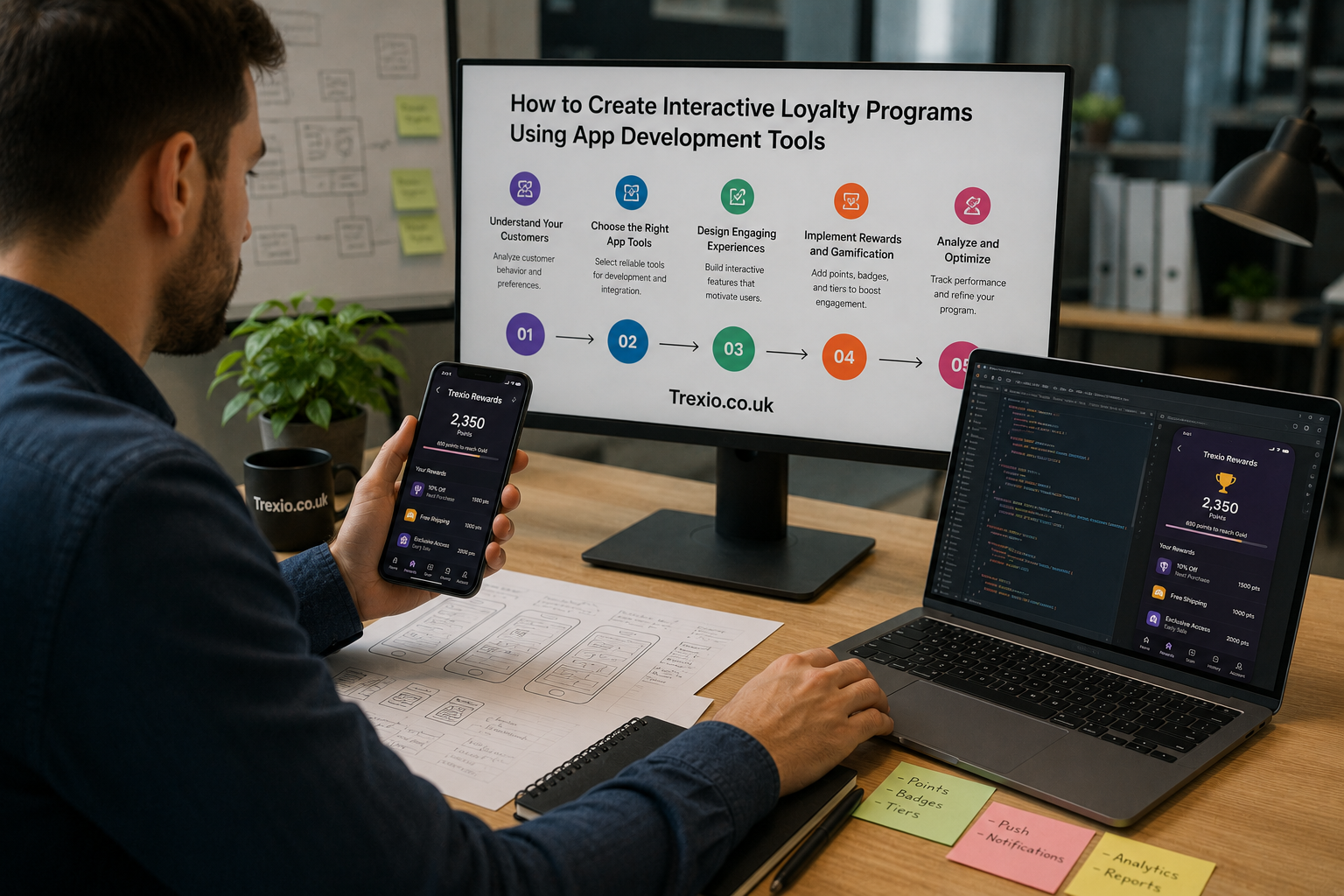
Customer loyalty has become one of the most valuable assets for businesses operating in competitive digital markets. Consumers now expect personalized experiences, instant rewards, and meaningful interactions rather than traditional punch cards or generic discount programs. This shift has encouraged companies to adopt modern mobile applications that make loyalty programs more engaging and interactive. Businesses of every size, from local retailers to global brands, are investing in app development tools that simplify the creation of feature-rich loyalty platforms. These tools allow organizations to integrate rewards, gamification, push notifications, customer analytics, and personalized offers into one seamless experience. Instead of relying on outdated methods, businesses can now build digital ecosystems that keep customers returning regularly. Understanding how to create interactive loyalty programs using app development tools is becoming a competitive advantage for companies looking to strengthen customer relationships. This guide explains the essential foundations, planning strategies, and development considerations needed before building an effective loyalty application.
Quick Answer
Creating interactive loyalty programs using app development tools involves identifying business goals, understanding customer behavior, selecting the right development platform, designing personalized reward systems, integrating gamification features, collecting customer insights, and continuously optimizing the experience using analytics. Successful loyalty applications combine user-friendly interfaces, real-time rewards, secure customer data management, personalized promotions, and engaging interactions that encourage repeat purchases while improving long-term customer retention.
Why Interactive Loyalty Programs Matter More Than Ever
Modern customers have countless alternatives available with just a few taps on their smartphones. Because of this convenience, businesses must offer more than quality products and competitive prices. Interactive loyalty programs help brands create ongoing relationships by rewarding customers for purchases, referrals, reviews, social sharing, app usage, and other meaningful actions. Rather than functioning as simple discount systems, today’s loyalty platforms encourage continuous participation through personalized experiences that make customers feel valued. Mobile applications have transformed loyalty marketing into an engaging journey where users unlock achievements, earn badges, complete challenges, and receive tailored recommendations based on their preferences. These experiences significantly improve customer satisfaction while increasing purchase frequency. Businesses also benefit from richer customer data that supports better marketing decisions and product improvements. As consumer expectations continue evolving, interactive loyalty programs have become an essential part of sustainable customer retention strategies.
Traditional Loyalty Programs vs Interactive Loyalty Programs
| Feature | Traditional Programs | Interactive Programs |
|---|---|---|
| Reward System | Fixed Points | Personalized Rewards |
| Customer Engagement | Low | High |
| Mobile Integration | Limited | Complete |
| Gamification | Rare | Extensive |
| Analytics | Basic | Advanced |
| Customer Personalization | Minimal | AI-Driven |
| Push Notifications | No | Yes |
| Referral Features | Limited | Fully Integrated |
| Real-Time Rewards | Rare | Instant |
| User Experience | Static | Dynamic |
Understanding App Development Tools for Loyalty Programs
Before building any loyalty application, it is important to understand what app development tools actually provide. Modern development platforms simplify complex programming processes by offering drag-and-drop interfaces, reusable components, cloud services, APIs, authentication systems, analytics dashboards, and cross-platform deployment options. Businesses no longer need to build every feature from scratch because many development tools include ready-made modules for payments, customer accounts, notifications, QR code scanning, digital wallets, and customer rewards. These capabilities reduce development costs while accelerating project timelines. Developers can also integrate third-party services that improve security, customer communication, and payment processing. Whether using low-code platforms or fully customized development frameworks, selecting the right tools significantly influences scalability and long-term performance. The goal is to create an application that remains flexible enough to evolve alongside customer expectations and business growth.
Core Categories of App Development Tools
Low-Code Development Platforms
Low-code platforms enable businesses to rapidly build loyalty applications using visual interfaces rather than extensive programming. These solutions are ideal for startups, small businesses, and organizations seeking faster deployment with reduced development costs.
Cross-Platform Frameworks
Cross-platform development allows companies to build Android and iOS applications using a shared codebase. This approach minimizes maintenance expenses while ensuring consistent user experiences across multiple devices.
Native Development Tools
Native development environments provide maximum performance and deeper integration with device hardware. Businesses requiring advanced customization often choose native development despite the longer development timeline.
Backend Development Platforms
Backend solutions manage customer accounts, rewards databases, transaction histories, authentication systems, cloud storage, APIs, and analytics. They serve as the operational backbone of every successful loyalty application.
Defining Clear Business Objectives Before Development
Many loyalty applications fail because businesses focus on technology before establishing measurable goals. A successful loyalty program begins with a clear understanding of what the organization hopes to achieve. Some businesses prioritize increasing repeat purchases, while others aim to improve customer lifetime value, collect first-party customer data, encourage referrals, or strengthen brand engagement. These objectives influence every development decision, including reward structures, user interface design, notification strategies, and customer segmentation. Setting measurable performance indicators also makes it easier to evaluate success after launch. Goals should align with broader business strategies rather than existing as isolated marketing initiatives. A clearly defined roadmap ensures that every feature contributes directly to customer engagement and long-term profitability. Proper planning reduces unnecessary complexity while maximizing return on investment.
Common Loyalty Program Goals
- Increase customer retention
- Improve repeat purchase rates
- Grow customer lifetime value
- Encourage referrals
- Build stronger brand loyalty
- Increase mobile app engagement
- Collect customer behavior insights
- Improve personalized marketing
- Boost customer satisfaction
- Encourage social media interaction
Researching Customer Behavior Before Building Your App
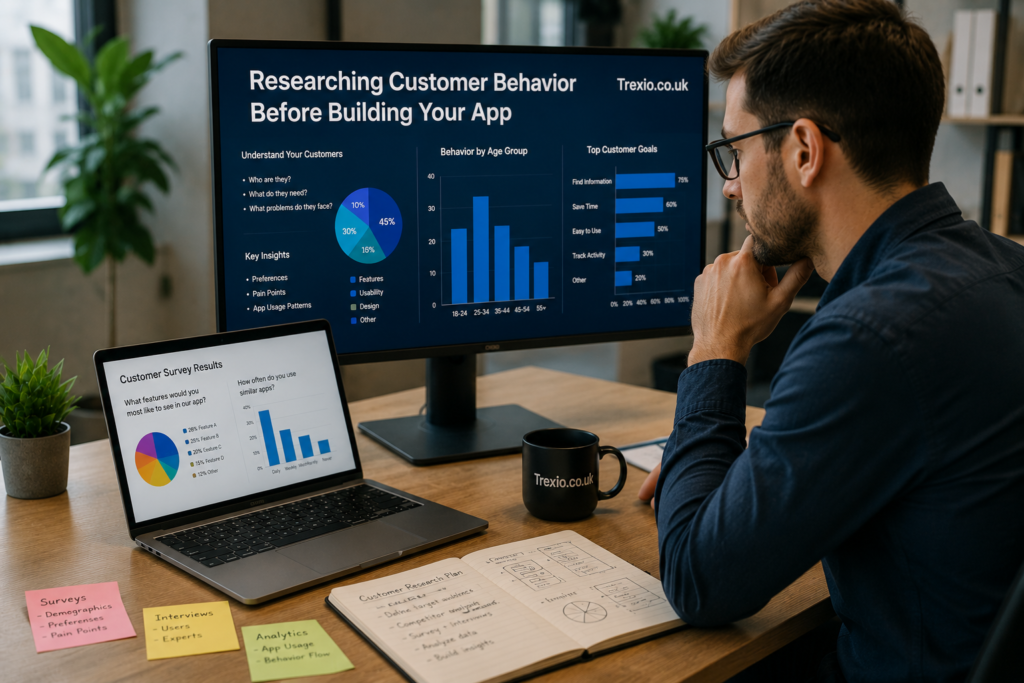
Successful loyalty programs are designed around customer expectations rather than internal assumptions. Before development begins, businesses should invest time in understanding how their target audience shops, communicates, and interacts with digital products. Customer surveys, purchase histories, website analytics, mobile usage data, and feedback forms provide valuable insights that influence reward structures and application design. Different customer groups often respond to different motivational factors, making segmentation an essential part of the planning process. Younger users may enjoy gamified challenges and social sharing, while business professionals may prefer exclusive benefits and premium rewards. Understanding these preferences helps developers build features that encourage consistent participation instead of one-time engagement. Customer research also identifies pain points that can be eliminated during development, creating smoother experiences that encourage long-term loyalty. Data-driven decision-making ultimately produces more effective and sustainable loyalty applications.
Questions to Ask During Customer Research
What motivates customers to return?
Understanding purchasing motivations helps businesses create rewards that genuinely encourage repeat engagement.
Which rewards have the highest perceived value?
Some audiences prefer cashback, while others appreciate exclusive experiences, early product access, or personalized offers.
How often do customers interact with mobile apps?
Knowing user behavior determines notification frequency, engagement campaigns, and loyalty milestones.
Which communication channels perform best?
Email, push notifications, SMS, and in-app messaging each appeal to different audiences depending on demographics and shopping habits.
Designing an Engaging Loyalty Program Structure
An effective loyalty program requires more than assigning points for purchases. Businesses should create experiences that reward customers throughout their entire relationship with the brand. Users can earn rewards by making purchases, completing profiles, writing reviews, referring friends, participating in seasonal campaigns, attending events, or interacting with educational content. Multiple earning opportunities encourage continuous engagement while preventing customer fatigue. Tiered membership systems further motivate users by unlocking exclusive benefits as they progress through different levels. Personalized rewards based on purchasing behavior make customers feel recognized rather than treated as anonymous users. Simplicity remains equally important because overly complicated systems discourage participation. A transparent rewards structure builds trust while making achievements feel attainable. The overall experience should be enjoyable, valuable, and easy to understand from the very first interaction.
Popular Reward Models
| Reward Type | Customer Benefit | Business Advantage |
|---|---|---|
| Points System | Flexible Rewards | Repeat Purchases |
| Cashback | Immediate Savings | Increased Spending |
| Membership Tiers | Exclusive Benefits | Higher Retention |
| Referral Rewards | Bonus Incentives | Customer Acquisition |
| Achievement Badges | Recognition | Increased Engagement |
| Exclusive Content | VIP Experience | Brand Loyalty |
| Birthday Rewards | Personalization | Stronger Relationships |
| Limited-Time Challenges | Excitement | Frequent App Visits |
Building Personalized Customer Experiences
Personalization has become one of the strongest drivers of customer engagement in digital loyalty programs. Modern app development tools make it easier to analyze customer behavior and deliver tailored experiences based on browsing history, purchasing patterns, preferred products, location, and seasonal interests. Instead of sending identical offers to every user, businesses can create dynamic reward campaigns that match individual preferences. Personalized dashboards, recommended rewards, customized notifications, and exclusive promotions help customers feel valued and understood. This level of relevance significantly improves participation rates while reducing notification fatigue. Machine learning and behavioral analytics can further enhance personalization by predicting customer interests and suggesting timely incentives. As customer expectations continue rising, personalization is no longer considered an optional feature but a core element of every successful loyalty application. Businesses that prioritize individualized experiences often achieve stronger engagement, higher retention, and greater long-term customer value.
Integrating Gamification to Increase Customer Participation
Gamification transforms a standard rewards application into an experience that customers genuinely enjoy using. Instead of limiting interactions to earning points after purchases, businesses can encourage users to complete challenges, unlock achievements, maintain activity streaks, participate in seasonal events, and compete on leaderboards. These features create a sense of progress that keeps customers returning to the app even when they are not actively shopping. When planning how to create interactive loyalty programs using app development tools, gamification should support business goals rather than distract users with unnecessary complexity. Every challenge should have a clear purpose, whether it is increasing purchase frequency, encouraging referrals, or promoting new products. Progress indicators and milestone rewards also help users visualize how close they are to unlocking their next benefit. Well-designed gamification increases daily engagement while strengthening emotional connections with the brand. Businesses that continuously refresh challenges and rewards often see better long-term participation because the experience remains exciting rather than repetitive.
Effective Gamification Features
Achievement Badges
Achievement badges recognize customer milestones and create a sense of accomplishment. They also encourage users to complete additional activities to unlock new achievements.
Daily and Weekly Challenges
Short-term challenges motivate customers to interact with the application regularly. Frequent participation increases customer retention and overall engagement.
Referral Competitions
Friendly competition encourages customers to invite friends while earning additional rewards. This approach combines customer acquisition with customer loyalty.
Seasonal Campaigns
Holiday promotions, anniversary celebrations, and limited-time events create urgency and encourage customers to engage before rewards expire.
Implementing Push Notifications Without Annoying Users
Push notifications remain one of the most valuable engagement tools within modern loyalty applications when used strategically. Customers appreciate timely reminders about expiring rewards, exclusive promotions, loyalty milestones, and personalized offers that match their interests. However, excessive notifications often produce the opposite effect by encouraging users to disable alerts or uninstall the application entirely. Businesses should segment their audiences and deliver relevant messages based on shopping behavior, purchase history, and engagement patterns. Intelligent scheduling also improves response rates because customers receive notifications when they are most likely to interact with the app. Rich notifications containing personalized recommendations and reward progress generally outperform generic promotional messages. Testing different notification frequencies helps identify the optimal communication balance for various customer segments. A thoughtful notification strategy supports businesses learning how to create interactive loyalty programs using app development tools while maintaining positive customer relationships.
Using Customer Analytics to Improve Loyalty Programs
Interactive loyalty applications generate valuable customer insights that help businesses make smarter decisions. Analytics platforms monitor customer engagement, purchase frequency, reward redemption rates, referral activity, session duration, and user retention. These insights reveal which features successfully motivate customers and which areas require improvement. Instead of relying on assumptions, organizations can continuously optimize their loyalty strategies using measurable data. Customer segmentation also becomes more accurate as businesses identify high-value customers, occasional buyers, and inactive users requiring re-engagement campaigns. Monitoring customer journeys helps developers eliminate friction that may discourage participation. Predictive analytics further improves marketing by identifying purchasing trends before they become obvious. Organizations that prioritize continuous measurement generally achieve stronger customer satisfaction and higher return on investment from their loyalty initiatives.
Important Analytics Metrics
| Metric | Why It Matters | Business Impact |
|---|---|---|
| Active Users | Measures engagement | Improves retention |
| Reward Redemption Rate | Evaluates reward value | Optimizes incentives |
| Repeat Purchase Rate | Indicates loyalty success | Increases revenue |
| Customer Lifetime Value | Measures long-term profitability | Supports growth |
| Referral Conversion | Tracks customer advocacy | Expands customer base |
| Session Duration | Shows app engagement | Improves UX |
| Push Notification Open Rate | Measures communication effectiveness | Enhances campaigns |
| Customer Churn Rate | Identifies lost customers | Supports retention strategies |
Ensuring Security and Data Privacy
Customer trust forms the foundation of every successful loyalty program. Users willingly share personal information only when they believe businesses will protect their data responsibly. App development tools should include secure authentication, encrypted communication, protected databases, and role-based access controls to minimize security risks. Businesses should also provide transparent privacy policies explaining how customer information is collected, stored, and used. Multi-factor authentication adds another layer of protection for customer accounts, particularly when loyalty balances or digital wallets are involved. Regular security testing helps identify vulnerabilities before they affect customers. Compliance with relevant privacy regulations further strengthens customer confidence while reducing legal risks. Strong security practices demonstrate professionalism and support sustainable business growth over the long term.
Essential Security Features
Secure Authentication
Protect customer accounts through strong passwords, biometric login, or multi-factor authentication.
Data Encryption
Encrypt sensitive customer information during storage and transmission to prevent unauthorized access.
Secure Payment Integration
Use trusted payment gateways that comply with industry security standards.
Regular Security Audits
Perform routine vulnerability assessments to ensure continued protection against emerging threats.
Testing and Launching Your Loyalty Application
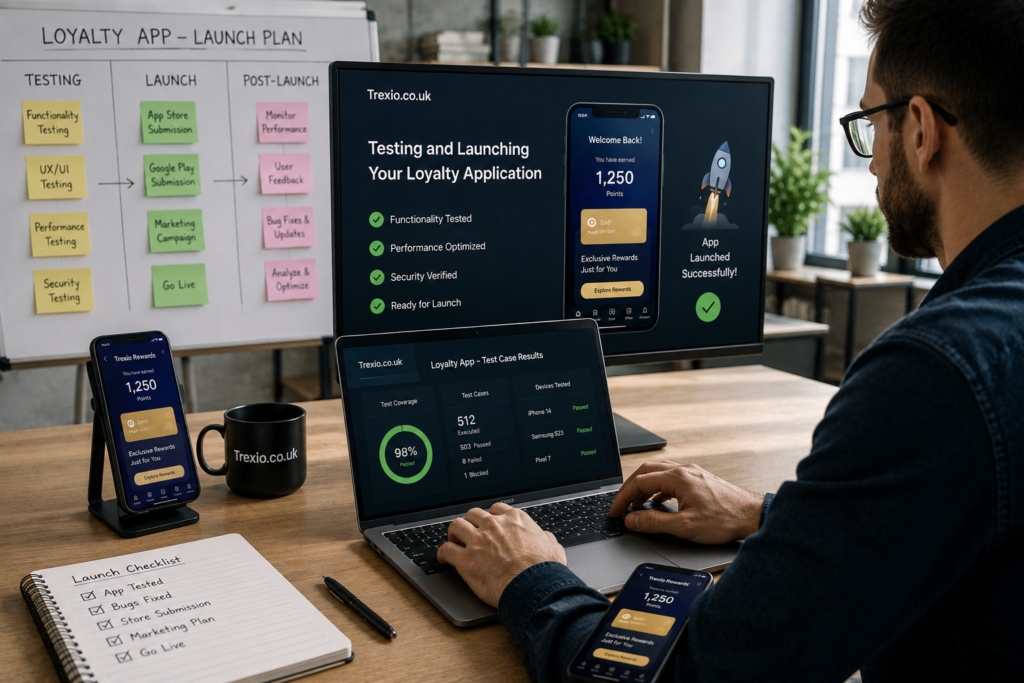
Successful applications rarely achieve perfection during the first release. Comprehensive testing identifies usability issues, technical bugs, performance bottlenecks, and security weaknesses before customers encounter them. Functional testing verifies that reward calculations, user registration, referrals, notifications, and payment integrations operate correctly. Performance testing ensures the application remains responsive even during periods of heavy traffic. User acceptance testing provides valuable feedback from real customers who interact with the application before its public launch. Their suggestions often reveal navigation improvements and feature enhancements that internal teams may overlook. Launch planning should also include customer education, promotional campaigns, onboarding tutorials, and support resources that encourage early adoption. Continuous monitoring after release helps businesses resolve unexpected issues quickly while maintaining customer confidence.
Scaling Loyalty Programs as Your Business Grows
Growth should never require rebuilding the entire loyalty platform from the beginning. Scalable app development tools allow businesses to expand features, support larger customer databases, integrate additional payment systems, and launch across multiple geographic regions without disrupting existing users. Modular architecture simplifies future enhancements by allowing developers to introduce new capabilities independently. Businesses may gradually incorporate artificial intelligence, predictive personalization, digital memberships, location-based rewards, or omnichannel experiences as customer expectations evolve. Cloud infrastructure also enables applications to handle increasing traffic efficiently while maintaining fast response times. Regular software updates ensure compatibility with new operating systems and devices. Planning for scalability during the initial development phase reduces long-term costs and protects future business investments. Organizations that prepare for growth position themselves to deliver consistent customer experiences regardless of market expansion.
Comparison of Popular Loyalty Program Strategies
| Strategy | Customer Engagement | Implementation Difficulty | Best For |
|---|---|---|---|
| Points-Based Rewards | High | Easy | Retail Stores |
| Tiered Membership | Very High | Moderate | Subscription Businesses |
| Cashback Programs | High | Moderate | E-commerce |
| Referral Rewards | Very High | Easy | Startups |
| Gamification | Excellent | Moderate | Mobile Apps |
| VIP Membership | Excellent | Advanced | Premium Brands |
| Subscription Rewards | High | Advanced | Digital Services |
| Hybrid Loyalty Model | Excellent | Advanced | Large Enterprises |
Best Practices for Building Interactive Loyalty Programs
- Define measurable business objectives before writing any code.
- Focus on customer experience instead of adding unnecessary features.
- Keep reward rules simple, transparent, and easy to understand.
- Personalize offers using customer behavior and preferences.
- Continuously analyze customer data to improve engagement.
- Refresh rewards and challenges regularly to maintain excitement.
- Ensure fast application performance across all devices.
- Prioritize data security and customer privacy.
- Test every feature thoroughly before public release.
- Collect customer feedback and implement meaningful improvements consistently.
Common Mistakes to Avoid
- Creating overly complicated reward systems.
- Ignoring customer research before development.
- Sending excessive push notifications.
- Offering rewards with little perceived value.
- Neglecting mobile performance optimization.
- Failing to monitor analytics after launch.
- Overlooking accessibility requirements.
- Delaying software updates and security patches.
- Ignoring customer feedback.
- Building features without measurable business objectives.
Pro Tips
- Introduce limited-time campaigns to create urgency and increase participation.
- Reward customers for non-purchase activities such as reviews and referrals.
- Use personalized recommendations to improve reward relevance.
- Incorporate milestone celebrations that recognize long-term loyalty.
- Perform A/B testing on rewards, notifications, and onboarding flows.
- Build an omnichannel experience that connects online and offline interactions.
- Automate customer segmentation for more effective marketing campaigns.
- Review analytics monthly and refine your loyalty strategy continuously.
Conclusion
Learning how to create interactive loyalty programs using app development tools involves much more than developing a mobile application with a points system. Successful loyalty platforms combine thoughtful planning, customer research, intuitive design, personalization, gamification, analytics, security, and continuous optimization into one cohesive customer experience. Businesses that invest in understanding customer motivations create stronger relationships while encouraging repeat purchases and long-term engagement. Modern app development tools simplify the technical aspects of development, allowing organizations to focus on delivering meaningful value instead of managing unnecessary complexity. Scalable architectures, cloud services, automation, and behavioral analytics make it possible to build loyalty programs that evolve alongside changing customer expectations. Continuous testing and improvement ensure the application remains relevant in competitive markets. Organizations that prioritize customer satisfaction, transparency, and innovation are better positioned to build lasting loyalty. By following the strategies outlined throughout this guide, businesses can develop interactive loyalty programs that strengthen their brands, improve customer retention, and support sustainable growth for years to come.
Frequently Asked Questions
1. What are interactive loyalty programs?
Interactive loyalty programs reward customers through engaging activities such as purchases, referrals, challenges, achievements, and personalized offers delivered through mobile applications.
2. Why are app development tools important for loyalty programs?
They simplify development by providing reusable components, cloud integration, analytics, authentication, and cross-platform deployment, reducing both cost and development time.
3. Which businesses benefit most from loyalty applications?
Retail stores, restaurants, e-commerce companies, healthcare providers, subscription services, hospitality businesses, fitness brands, and financial service providers can all benefit.
4. Can small businesses create loyalty apps?
Yes. Many low-code and cross-platform development tools make it affordable for small businesses to build feature-rich loyalty applications.
5. How does gamification improve customer loyalty?
Gamification encourages ongoing participation through challenges, badges, leaderboards, milestones, and achievement systems that make customer interactions more enjoyable.
6. How often should loyalty rewards be updated?
Businesses should review rewards regularly and introduce seasonal campaigns, exclusive promotions, and new incentives to keep customers engaged.
7. What metrics should businesses monitor?
Important metrics include active users, repeat purchases, reward redemption rates, customer lifetime value, referral conversions, retention rates, and customer churn.
8. How can personalization improve loyalty programs?
Personalized rewards, recommendations, and notifications make customers feel valued, increasing engagement and strengthening long-term relationships.
9. Is customer data security important in loyalty applications?
Yes. Strong encryption, secure authentication, privacy compliance, and regular security audits protect customer information and build trust.
10. How can businesses continuously improve their loyalty programs?
By analyzing customer feedback, monitoring analytics, testing new features, refreshing rewards, and adapting strategies based on changing customer behavior and market trends.
Author Bio
About the Author
The author is an experienced SEO content writer and technology researcher specializing in mobile app development, customer engagement strategies, digital transformation, and business software. With extensive experience creating EEAT-focused, search-optimized content, the author helps businesses understand emerging technologies and implement practical solutions that improve customer retention, operational efficiency, and long-term growth.